Unveiling the Metaverse: A New Digital Frontier
The metaverse is no longer just science fiction. Today, it is becoming a real and growing digital space. It allows people to work, play, shop, and connect in virtual environments.
In simple terms, the metaverse is a shared digital world. It combines technologies like augmented reality (AR), virtual reality (VR), artificial intelligence, and blockchain. Together, these tools create interactive and immersive experiences.
Among them, AR and VR play the most important role. They shape how users see, feel, and interact inside the metaverse.
Understanding AR and VR in the Metaverse
What is Augmented Reality (AR)?
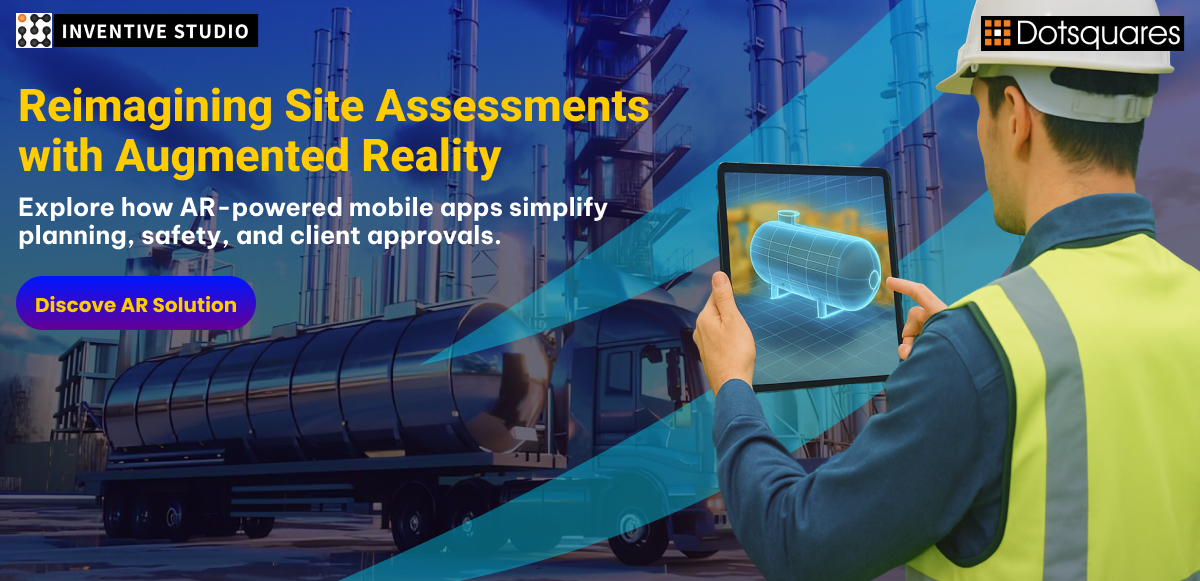
AR adds digital elements to the real world. Instead of replacing reality, it enhances it.
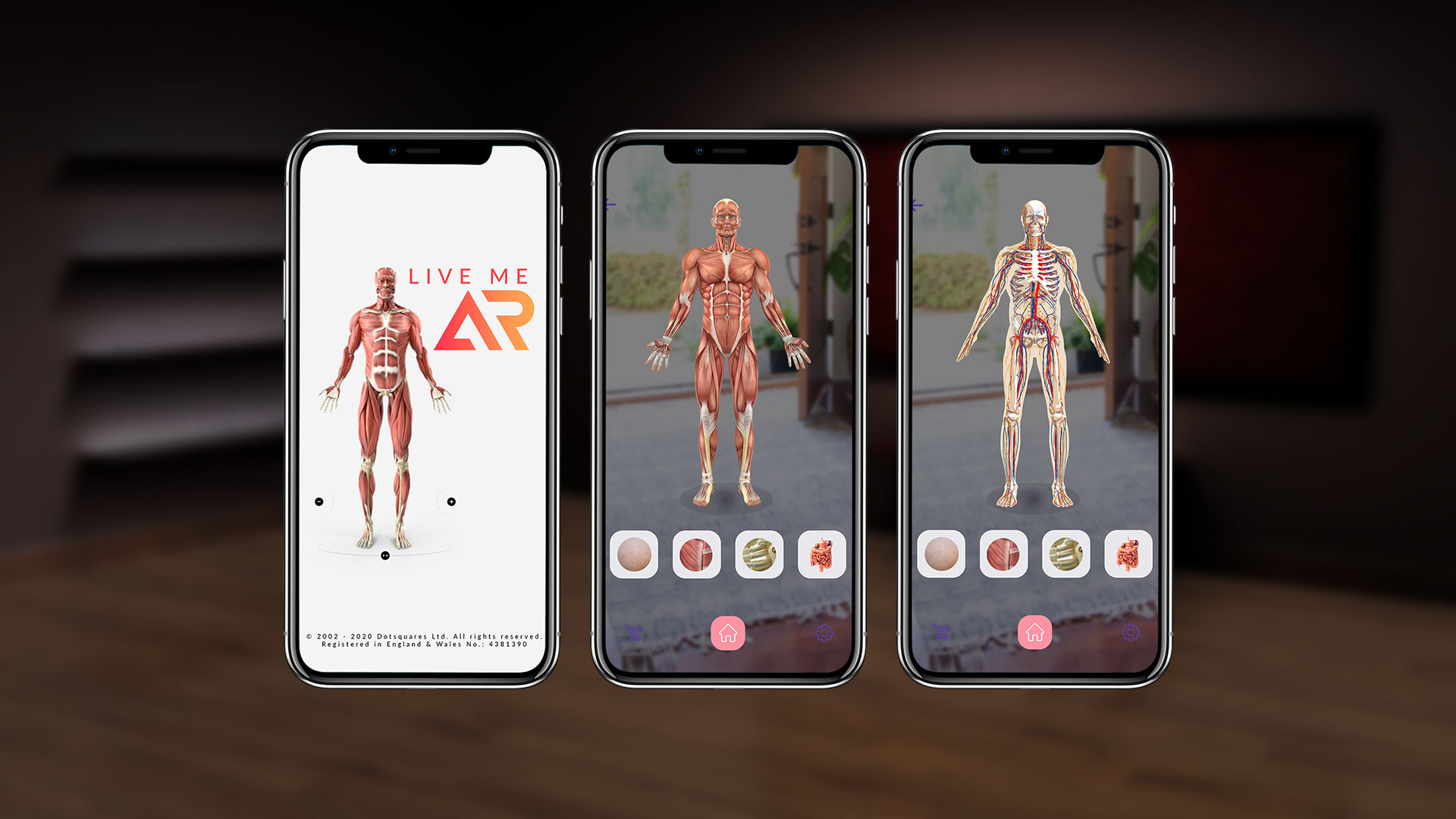
For example, you can use AR to see how furniture looks in your room before buying it. Similarly, you can try on glasses or clothes using your phone. As a result, AR improves everyday experiences.
In the metaverse, AR connects the physical and digital worlds. Therefore, users can interact with virtual objects while staying in their real conditions.
How AR Supports the Metaverse
AR supports metaverse development in many ways:
- It improves shopping with virtual previews.
- AR enhances navigation with digital directions.
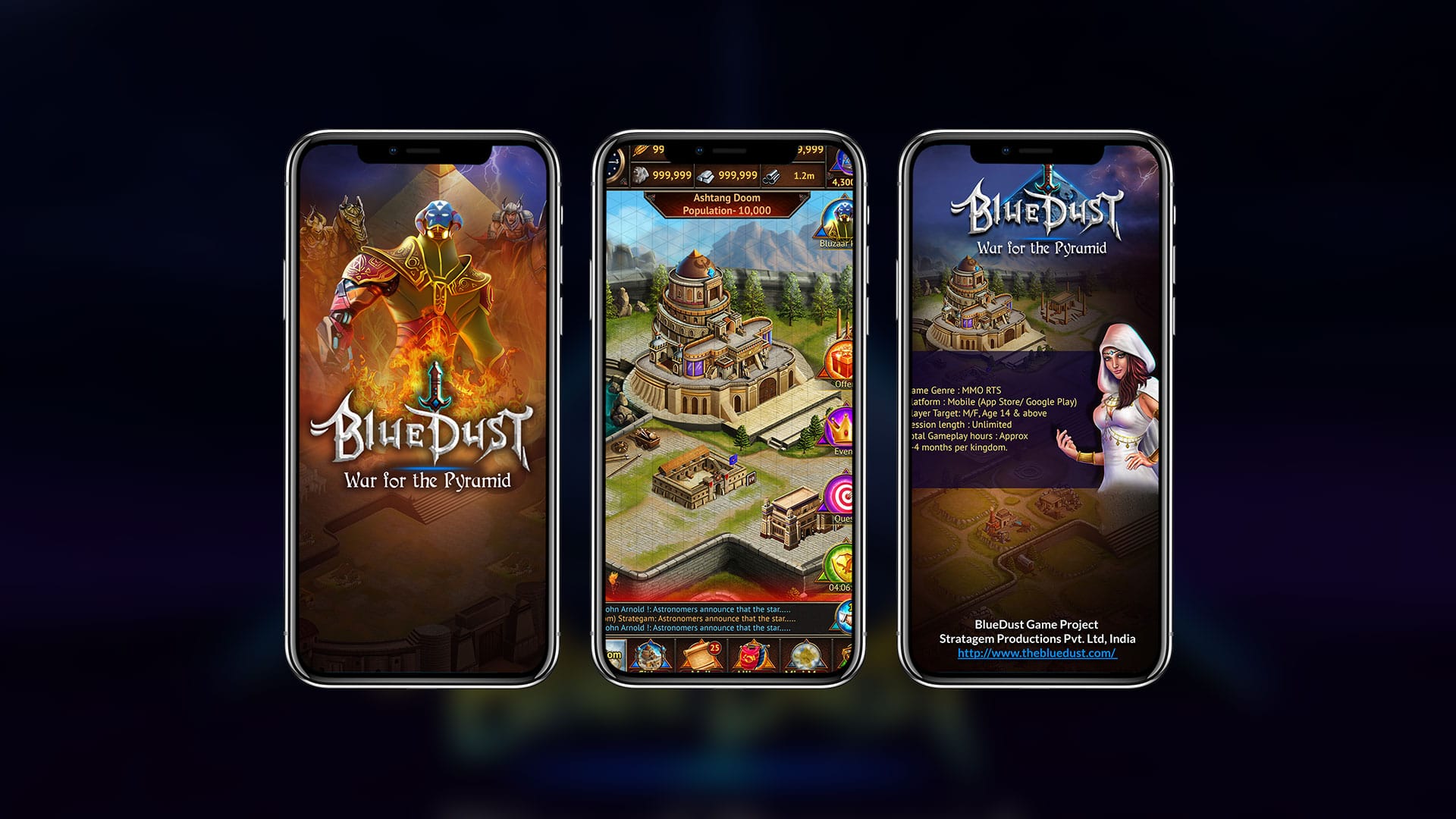
- It powers interactive games in real locations.
- AR supports smart glasses and wearable devices.
- This enables real-time product visualization.
Moreover, AR makes digital content feel natural. As a result, users feel more comfortable using metaverse platforms.
What is Virtual Reality (VR)?
Virtual Reality creates a fully digital world. When users wear a VR headset, they enter a computer-generated space.
Unlike AR, VR does not mix with the real world. Instead, it replaces it completely.
In the metaverse, VR builds immersive 3D settings where users can explore, work, and socialize.
How VR Powers the Metaverse
VR makes the metaverse more immersive. For instance, users can:
- Attend virtual concerts
- Join 3D business meetings.
- Explore digital cities
- Play immersive multiplayer games.
- Practice skills in training simulations
Because VR creates a strong sense of presence, users feel as though they are truly immersed in the experience. As a result, engagement levels are significantly higher than those on traditional digital platforms.
Blending the Physical and Digital Worlds
One of the most exciting parts of the metaverse is the blending of realities. AR improves the real world. At the same time, VR builds entirely new virtual spaces.
Together, they create mixed reality experiences.
For example:
- A user can play AR games in real streets.
- A company can create a digital twin of a factory.
- Students can explore historical sites in 3D
- Teams can unite inside virtual offices.
Therefore, AR and VR do not compete. Instead, they work together to build a seamless metaverse experience.
Opportunities Created by AR and VR
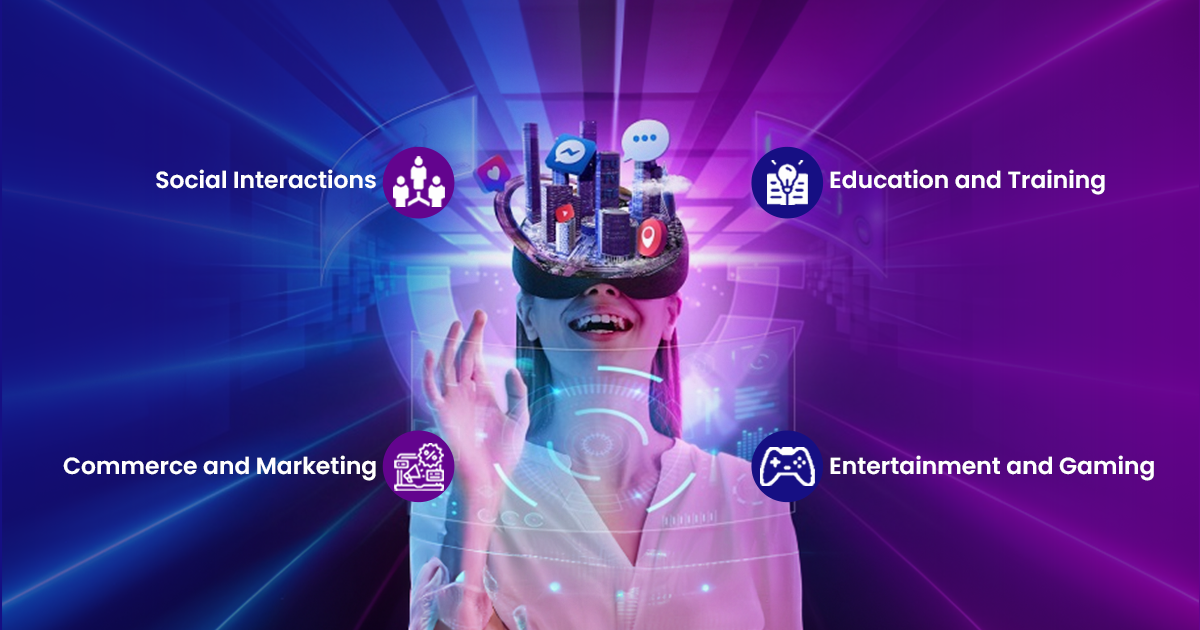
Social Interaction
First, AR and VR improve how people connect. Instead of simple video calls, users can meet in virtual spaces.
For example, friends can attend virtual parties. Similarly, remote teams can work in shared digital offices. Because of spatial audio and avatars, conversations feel more real.
As a result, distance becomes less important.
Commerce and Marketing
Next, the metaverse creates new business opportunities. AR and VR improve online shopping and digital marketing.
Customers can:
- Visit virtual stores
- Try products before buying.
- Interact with 3D product models.
- Attend virtual brand events.
Moreover, businesses can sell digital products such as virtual clothing and assets. Therefore, the metaverse opens new revenue streams.
Education and Training
In addition, AR and VR are changing education. Nowadays, Students can learn by doing instead of only reading.
For instance:
- Medical students can practice surgeries safely.
- Engineers can train with simulations.
- Employees can complete virtual safety drills.
- Students can explore space or history in 3D
Because immersive learning improves memory retention, many industries are adopting VR training programs.
Entertainment and Gaming
Finally, entertainment and gaming lead metaverse growth. AR and VR create deeper and more interactive experiences.
Users can explore virtual worlds, compete in online games, or attend live digital concerts. Furthermore, game developers are creating endless virtual spaces where users create digital identities.
As technology advances, these experiences will become even more realistic.
Why AR and VR Are Essential
AR and VR are not optional features. They are the foundation of the metaverse.
They are important because they:
- Increase user attention
- Create immersive atmospheres
- Improve contact
- Support virtual commerce
- Enable real-time collaboration
Without AR and VR, the metaverse would feel like a normal website. However, with immersive technology, it becomes an interactive world.
Current Trends Driving Growth
Today, AR and VR technology are advancing quickly.
For example:
- VR headsets now offer higher resolution.
- AR devices are becoming lighter and smarter.
- AI improves virtual avatars.
- 5G enables faster real-time interaction
- Businesses are investing in enterprise VR solutions.
As a result, the metaverse is becoming more practical and accessible.
Challenges to Overcome
However, some challenges remain:
- High device costs
- Data privacy concerns
- Limited understanding between platforms
- Motion sickness in some VR users
Even so, technology continues to improve. Therefore, adoption is expected to grow steadily in the coming years.
The Future of AR and VR in the Metaverse
Looking ahead, AR and VR will become more integrated into daily life. Devices will become smaller, faster, and more affordable.
In the future, we may see:
- More realistic digital avatars
- Seamless switching between AR and VR
- Virtual offices for remote teams
- Expanded use in healthcare and retail
- Greater cross-platform metaverse ecosystems
As innovation continues, the metaverse will move closer to mainstream adoption.
Conclusion
The metaverse marks a new era of digital interaction. At its core, AR and VR drive this change.
AR enhances the real world with digital layers. Meanwhile, VR creates immersive virtual environments. Together, they shape how we connect, learn, shop, and play.
Although challenges remain, progress is rapid. Therefore, AR and VR will continue to lead the development of the metaverse and define the future of immersive technology.