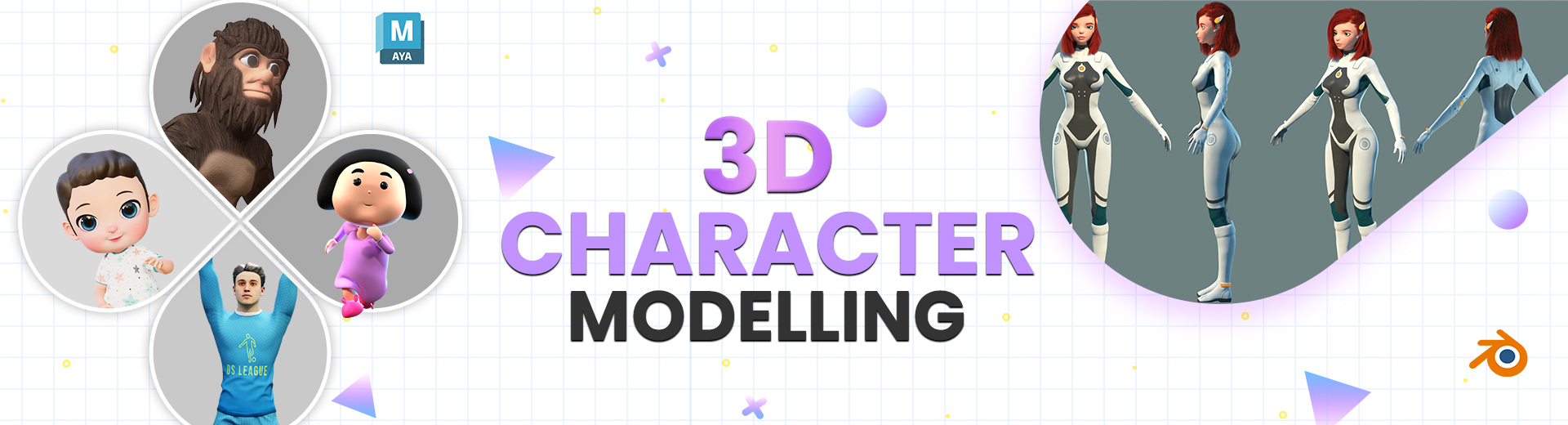
The gaming universe is moving quickly. 3D character modeling has evolved to become more than just a crucial design process, it’s the life force of contemporary games. Besides, in today’s time, people don’t just want to play a game; they want to be inside of it. It’s this dynamic that has turned detailed characters into such a “game changer” for any developer.
As per these requirements , 3D character designers transform flat ideas into lifelike stars with high-tech artistry and smart tools. They build figures with supple skin, deep eye sockets and movements that seem real. Thus, with this evolution, video games have blossomed into cinematic experiences that encourage repeat play through.
What Makes 3D Character Modeling Popular?
“The projects in (Wimbledon) 2K are challenging because they require exquisite 3D modeling and that’s the demand – accurate representation with a nod to being a very playable game,” he says. But when a character feels like someone you could meet in real life, the story hits home harder.
- Total Immersion: Realistic expressions help players connect with the story deeply.
- Tech Progress: New tools make it easier for small teams to create big visuals quickly.
- Real-Time Feedback: Modern engines allow designers to see changes instantly, which speeds up the creative process.
In 2026, we are also saying AI-supported modeling be in the spotlight. These tools mean the dull bits – such as repairing minuscule mesh errors – are automated. Beside, that way, artists can concentrate on what’s in the “soul” of the character as opposed to just the science aspect.
Different Styles of 3D Characters
Not every game has to be like a movie. Offering up designers choose from a variety of styles to match the vibe of the game, depending on what you’re going for:
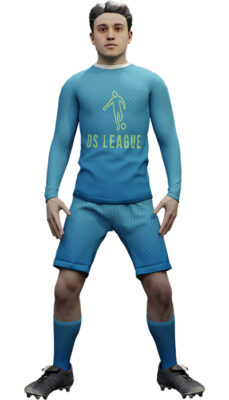
- Realistic Characters: These models aim for “hyper-realism.” They use Physically Based Rendering (PBR) to make sure that the light bounces off their skin in just the same way as it would in life. These will be in big AAA games.

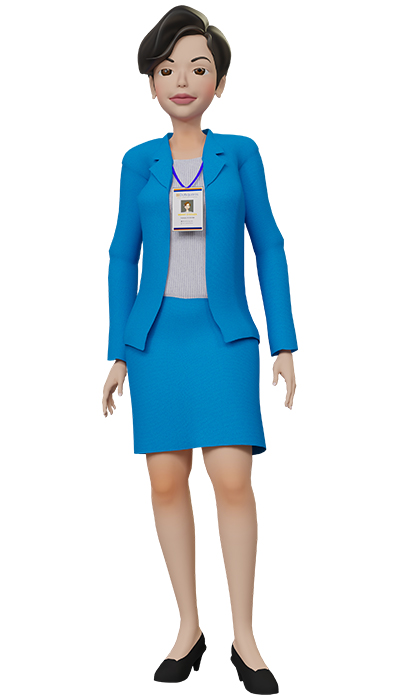
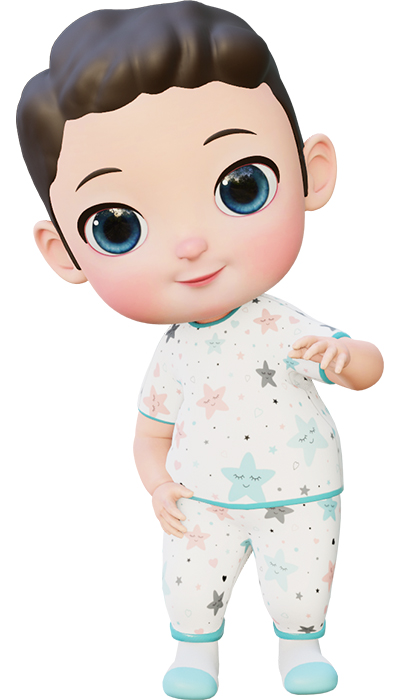
- Stylized Characters: Imagine your favourite animated movies. These are characters who have big eyes or bright colors. It’s true that they don’t look “real,” but they have plenty of personality, and a classic appeal.

- Low-Poly Characters: Great for mobile games or vintage-style hits like this. Also, with fewer polygons, the game runs faster in all devices. It also maintains a cold, dark, and artsy feel that many indie gamers savor.
- Fantasy Characters: A newer trend involves “Meta Humans.” Such beings are digital humans, which can be brought to life in minutes using cloud tools. They provide high-end quality without the several-months-long round-the-clock work.

Step-by-Step Guide to Modeling 3D Game Characters
Developing a character is travel. It requires patience and a clear plan. Here’s how the professionals do it:
- Concept Art: You start with a sketch. This defines the vibe and the style of the character.
- Digital Sculpting: Artists use software like ZBrush to “clay-model” the character in 3D.
- Retopology: This makes the model “light” so the game engine can handle it without crashing.
- Texturing: This adds color and fine details like scars, fabric patterns, or skin pores.
- Rigging and Animation: Think of this as adding a skeleton. Rigged, the character is able to run, jump and talk just like a human.
- AI Integration: Most studios these days are integrating AI for “Auto-Rigging”, which saves literally hundred hours of production time while in development.
Inventive Studio’s Role in 3D Character Modeling
Inventive Studio doesn’t just keep up—they set the pace when it comes to 3D character modeling. Their designers get that a character isn’t just another digital asset. Instead, it’s the heart of a brand. They mix classic artistry with cutting-edge tech, and you can see it in every project they take on.
When developers want their worlds to pop, they turn to Inventive Studio. All of these folks care about quality, making sure each model looks incredible and runs smoothly, no matter the platform. Fantasy creatures, lifelike heroes—you name it, they tackle it with fresh ideas and serious skill.
Conclusion
Looking ahead to 2026, 3D character modeling isn’t just important—it’s central to game design. It’s what transforms cold code into something that feels alive. Sure, graphics are impressive, but what really matters is that spark between the player and the character on screen. Great modeling is what makes that possible.
Games are only getting more lifelike, and the connection players feel is only getting stronger. Want your game to make a mark? Then, you don’t have to skip on quality 3D modeling anymore. It’s not an extra—it’s the baseline.