How Mixed Reality Is Creating Real Business Value Beyond Gaming
When people hear the term Mixed Reality (MR), they often associate it with gaming, futuristic concepts, or emerging consumer technology.
However, the conversation around Mixed Reality is rapidly evolving.
Today, businesses across industries are exploring Mixed Reality applications to improve training, visualization, collaboration, and operational efficiency. As part of broader digital transformation initiatives, organizations are increasingly evaluating how immersive technologies can solve practical business challenges.
From healthcare and manufacturing to construction and real estate, Mixed Reality is becoming a valuable tool for organizations that need better ways to interact with complex information and environments.
Rather than replacing existing technologies, Mixed Reality solutions are helping businesses enhance workflows and create more engaging experiences for employees, customers, and stakeholders.
What Is Mixed Reality?
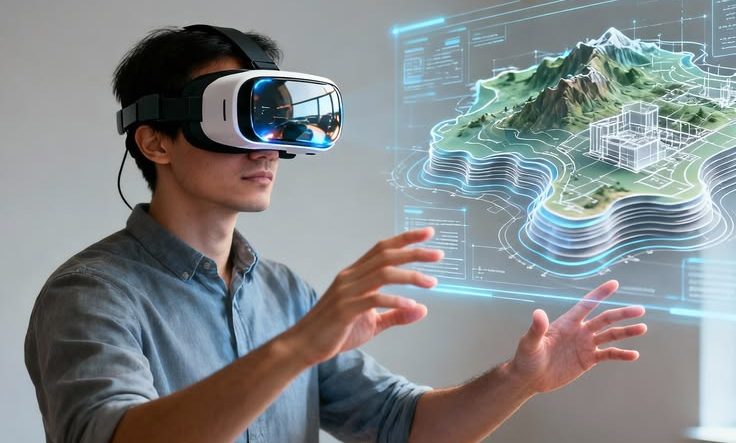
Mixed Reality (MR) combines elements of Augmented Reality (AR) and Virtual Reality (VR), enabling digital content to interact with the physical world.
Unlike traditional screen-based applications, Mixed Reality allows users to visualize and engage with digital information within their real-world environment.
Examples of Mixed Reality experiences include:
- Interactive 3D product visualization
- Digital overlays on physical assets
- Immersive training simulations
- Collaborative design reviews
- Digital twin experiences
This ability to blend physical and digital environments makes Mixed Reality particularly valuable for industries that rely on visualization, spatial understanding, and hands-on learning.
Mixed Reality in Healthcare: Improving Training and Visualization
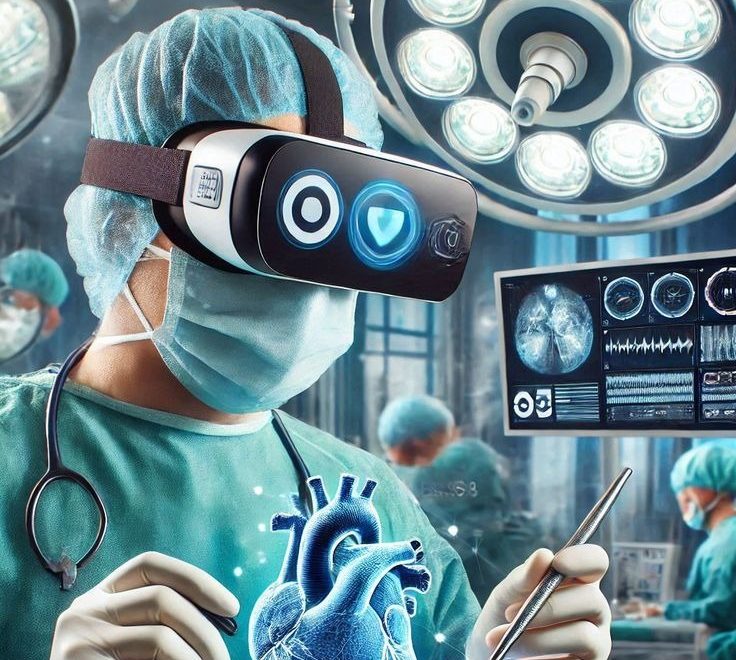
Healthcare is one of the industries actively exploring Mixed Reality technology.
Medical professionals often work with highly detailed information that can be difficult to visualize through traditional screens alone.
Mixed Reality in healthcare can support:
- Medical education and training
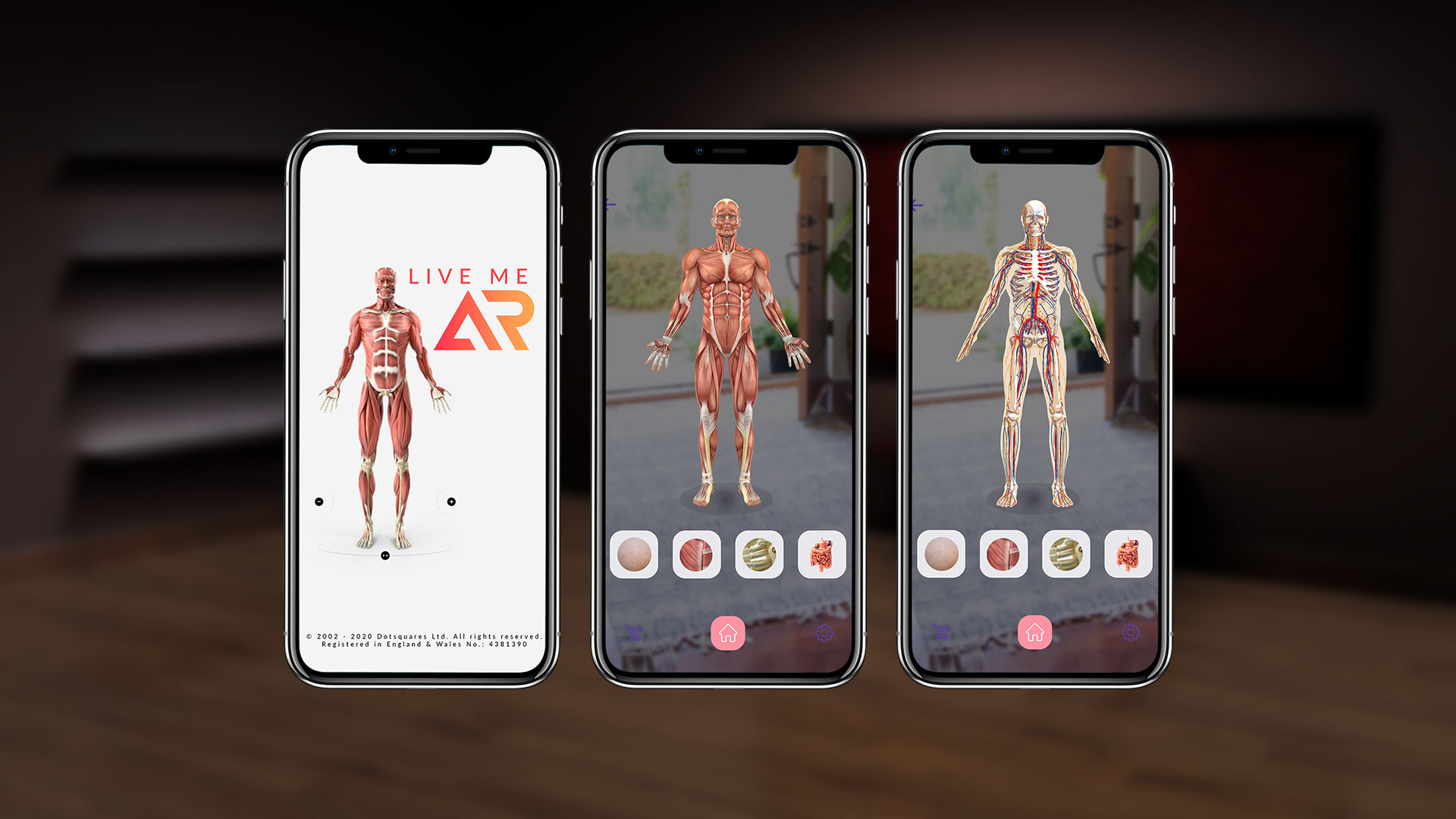
- Anatomy visualization
- Surgical planning discussions
- Clinical simulation experiences
By creating more interactive learning environments, healthcare organizations can complement traditional training methods and improve understanding of complex medical concepts.
Mixed Reality in Manufacturing: Supporting Workforce Development
Manufacturing companies continually seek ways to improve productivity, workforce training, and operational efficiency.
Mixed Reality in manufacturing is being explored for applications such as:
- Equipment maintenance guidance
- Employee onboarding
- Safety training
- Operational simulations
- Knowledge transfer between teams
Instead of relying solely on manuals or static documentation, employees can access contextual visual information while performing tasks, helping improve understanding and engagement.
Mixed Reality in Construction and Architecture
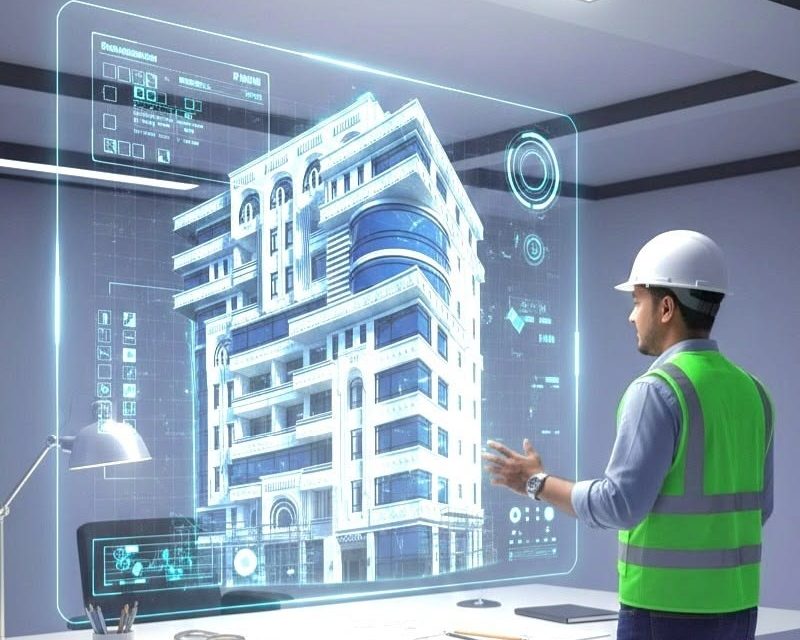
Construction and architecture projects often involve complex designs that can be difficult for stakeholders to interpret through drawings and renderings alone.
Mixed Reality for construction and architecture can help project teams:
- Visualize building designs
- Review layouts in a spatial context
- Improve stakeholder communication
- Support design validation before construction
These immersive experiences can help architects, engineers, developers, and clients make more informed decisions throughout the project lifecycle.
Mixed Reality in Real Estate: Enhancing Property Visualization
The real estate sector is increasingly exploring Mixed Reality applications to create more engaging property experiences.
Developers and property professionals can use immersive technologies to showcase:
- Residential developments
- Commercial properties
- Interior layouts
- Future construction projects
By helping buyers and investors better understand spaces before completion, Mixed Reality in real estate can support more informed decision-making and stronger customer engagement.
Enterprise Training and Simulation with Mixed Reality
One of the most practical uses of Enterprise Mixed Reality Solutions is training and simulation.
Industries such as:
- Aviation
- Defence
- Energy
- Logistics
- Manufacturing
often require employees to learn procedures that may be expensive, complex, or potentially hazardous to replicate in real-world environments.
Mixed Reality training solutions provide interactive learning experiences that can complement traditional training programs while offering greater flexibility and repeatability.
Why Businesses Are Investing in Mixed Reality Solutions
Although industries use Mixed Reality differently, many organizations are exploring the technology for similar reasons.
Businesses often need better ways to:
- Visualize complex information
- Improve workforce training
- Enhance stakeholder collaboration
- Reduce communication gaps
- Support digital transformation initiatives
For organizations working with physical assets, 3D models, technical processes, or spatial data, Mixed Reality can provide additional context that traditional tools may struggle to deliver.
Key Considerations Before Adopting Mixed Reality
Like any technology investment, Mixed Reality implementation should be driven by business objectives rather than industry trends.
Organizations should evaluate:
- Specific business challenges
- Expected outcomes and ROI
- User adoption requirements
- Integration with existing systems
- Long-term scalability
Successful Mixed Reality projects are typically built around clearly defined use cases that address real operational needs.
The Future of Mixed Reality in Business
As hardware, software, and enterprise adoption continue to mature, the role of Mixed Reality in business is expected to expand.
While not every organization will require immersive technologies, industries that depend on visualization, training, collaboration, and spatial understanding are likely to continue exploring the benefits of Mixed Reality.
The focus is shifting from experimentation to practical implementation.
Rather than asking whether Mixed Reality is a viable technology, businesses are increasingly asking where it can create measurable value.
Final Thoughts
Mixed Reality is no longer limited to gaming and experimental technology projects.
Today, industries such as healthcare, manufacturing, construction, real estate, and enterprise training are exploring how Mixed Reality solutions can enhance existing workflows and improve business outcomes.
The most successful implementations are not focused on technology for technology’s sake.
They focus on solving real-world challenges through better visualization, collaboration, and learning experiences.
As organizations continue their digital transformation journeys, Mixed Reality is becoming an increasingly important technology to evaluate for businesses seeking innovative and practical ways to engage with information, people, and processes.