The global health crisis taught organizations a hard lesson. Specifically, businesses realized they must embrace digital transformation to survive. In fact, latest data from 2026 shows that immersive tools are now core drivers of success. Companies no longer view Augmented Reality (AR) or Virtual Reality (VR) as mere toys. Instead, they see them as vital assets for long-term growth.
Today, these technologies are part of our daily lives. However, many people still assume they are only for video games. Actually, the real picture is quite different. For example, sectors like healthcare, retail, and education use these tools to solve real problems. Furthermore, the shift toward Spatial Computing means we are moving away from flat screens. Instead, we are entering interactive 3D digital environments.
1. What is Immersive Technology?
Immersive technology merges our physical world with digital data. To be clear, there are three main types you should know:
- Augmented Reality (AR): This overlays digital info onto your real environment. You see this through phone cameras or smart glasses.
- Virtual Reality (VR): This puts you in a completely computer-generated world. You wear a headset that blocks out your physical room.
- Mixed Reality (MR): This is a hybrid. It allows digital objects to interact with physical ones in real-time.
In addition to these, we now have Digital Twins. These are virtual replicas of physical machines or systems. Consequently, engineers can test a machine in a virtual space before building it in real life. As a result, companies save millions of dollars on prototypes.
2. How is AI Used in Game Development?
You might ask, how is AI used in game development to make these worlds feel so real? First, AI helps create huge game worlds through “Procedural Content Generation.” This means the computer builds the landscape so humans don’t have to. Second, AI makes characters act like real humans.

Moreover, when we look at AR game development in London, we see that AI tracks surroundings perfectly. As a result, digital objects stay exactly where you put them. Because of this, the experience feels natural and stable. Additionally, AI can now change a game’s difficulty in real-time. For instance, it tracks your skill level and adjusts the challenge to keep you engaged.
Furthermore, AI is used in 2026 to:
- Generate Dialogue: AI creates unscripted conversations for characters.
- Analyze Behavior: AI tracks how players move to improve game design.
- Automate Testing: AI bots find bugs 10x faster than human testers.
3. The Power of AR Game Development in London
Notably, the UK has become a global leader in this field. Specifically, AR game development in London is setting new standards for the world. The city attracts top talent and massive investment. Because of this, London studios are moving beyond simple games. Instead, they are building “Enterprise XR” solutions.
For example, London-based developers are creating gamified training apps for global retail giants. As a result, employees learn new skills in half the time. In short, the gaming expertise in London is now fueling the digital transformation of major industries. Therefore, if you want the best immersive tech, London is the hub to watch.
4. Practical Use Cases Across Industries
Immersive tech has expanded its reach into almost every sector. Below, we explore how different industries use these tools in 2026.
Healthcare: Precision and Empathy
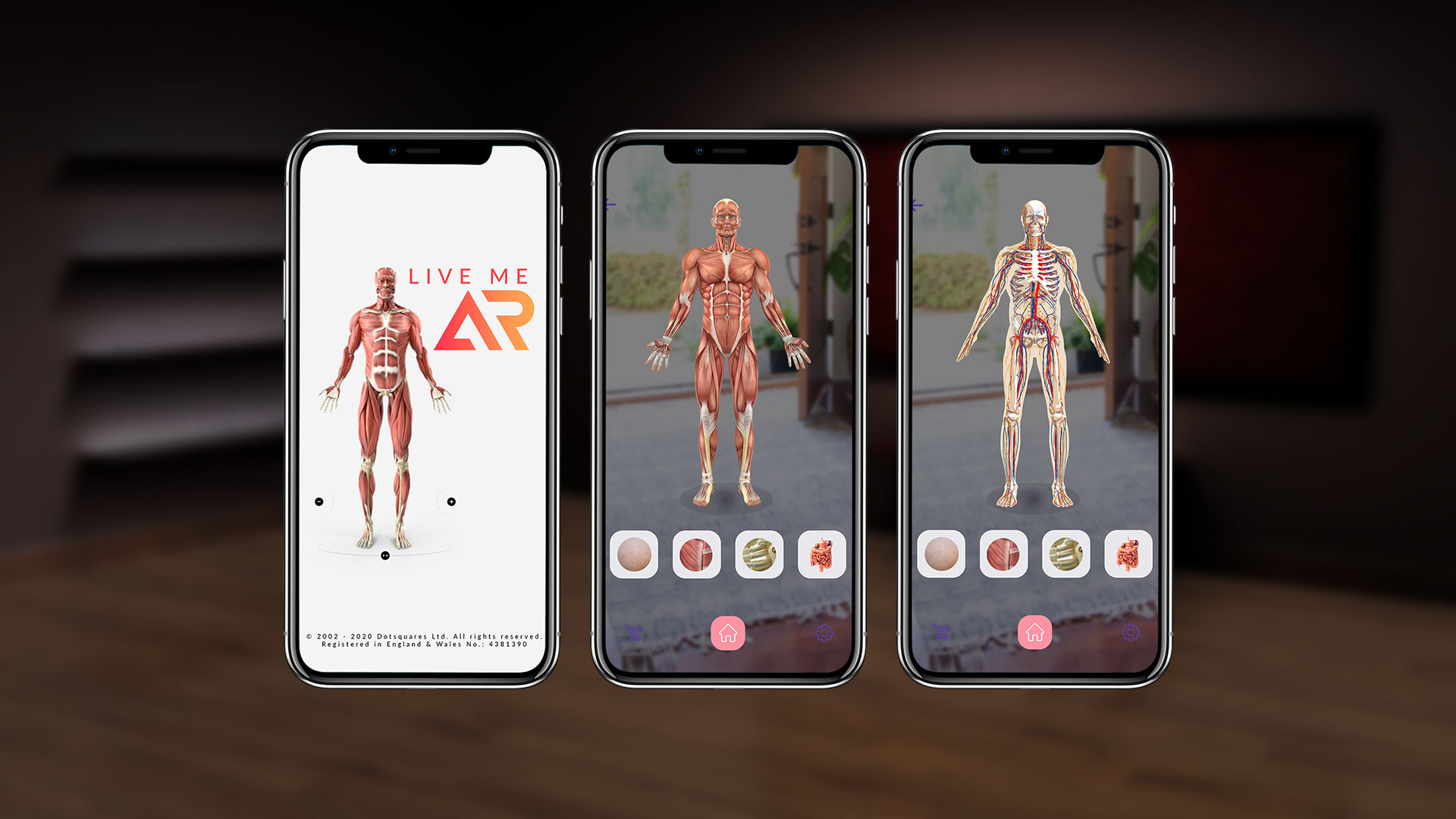
In the healthcare sector, surgeons use AR headsets to visualize internal organs during surgery. Consequently, they make fewer mistakes. Moreover, VR is used for pain management. By putting patients in a relaxing virtual world, doctors can reduce the need for heavy medication. Actually, studies show a 35% reduction in perceived pain for VR users.
Education: Learning Without Borders
In addition, education is changing. Students no longer just read about history. Instead, they use VR to walk through ancient Rome. Likewise, Google Expeditions allows students to go on “virtual field trips.” Indeed, studies show that VR-trained students perform 70% better than those using traditional methods.
Retail: Try Before You Buy
Furthermore, retail has seen a massive shift. Brands like IKEA use AR to let you see furniture in your home. As a result, customer confidence has jumped. In fact, Shopify reported that AR previews can increase sales conversions by 94%. Clearly, this tech is a game-changer for online shopping and brand loyalty.
5. The Environmental Win: Sustainable Business
Another important point is the “Green” impact of this technology. Specifically, online returns are a huge environmental disaster. Shipping items back and forth doubles carbon emissions.
However, AR helps customers get the purchase right the first time. By seeing the exact size and color of a product, shoppers make better choices. Consequently, this reduces the number of delivery trucks on the road. In short, immersive tech is a massive win for brands focused on sustainability and Net Zero goals.
6. Proving the ROI: Does it Actually Pay Off?

Many companies worry about the cost of this tech. However, 2026 data shows a very strong Return on Investment (ROI). For instance, Walmart used VR to train workers for new “Pickup Towers.” Consequently, training time dropped from eight hours to just 15 minutes.
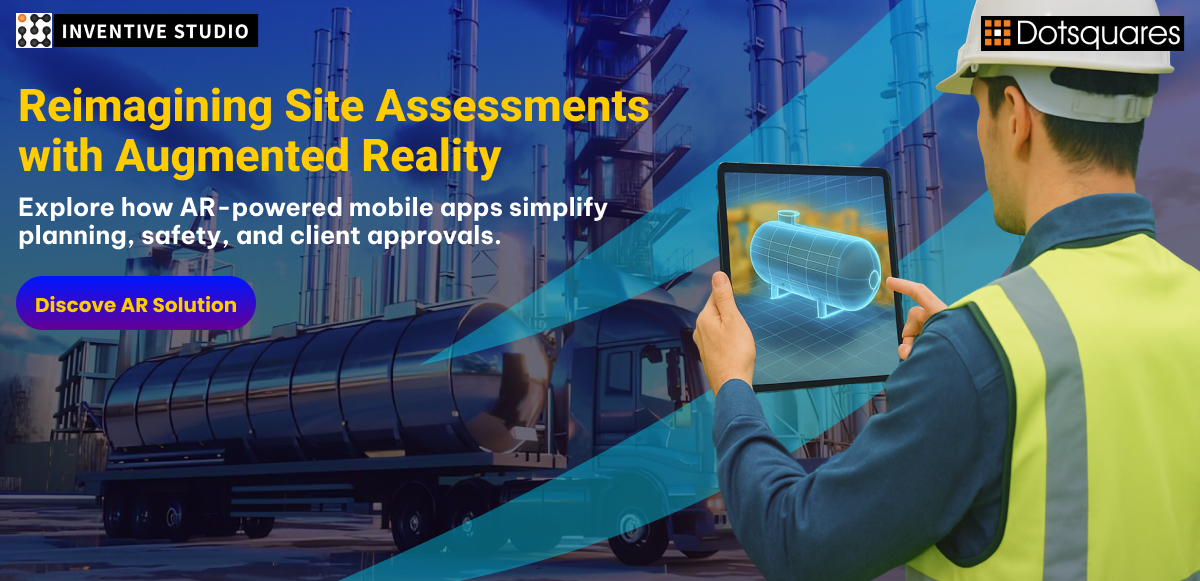
Additionally, in the manufacturing world, AR-assisted assembly has reduced errors by 40%. By overlaying digital instructions onto physical parts, technicians work faster and with more accuracy. Indeed, these savings prove that the upfront cost of immersive tech pays for itself quickly through efficiency gains.
7. The Rise of Spatial Computing
As we move deeper into 2026, the focus has shifted to Spatial Computing. This means our physical space is now the computer screen. For instance, headsets like the Apple Vision Pro allow you to have multiple virtual monitors floating in your office.
Furthermore, this tech allows for “Remote Presence.” Essentially, a team in London and a team in New York can meet in a virtual room. They can work on a 3D model together as if they were in the same place. As a result, companies save on travel costs and improve collaboration speed.
8. Overcoming Common Challenges
While the benefits are clear, some hurdles remain. First, the cost of high-end hardware can be an issue for small firms. Second, privacy is a major concern. Because headsets scan your home or office, data protection is vital.
However, WebXR is solving the cost issue. Essentially, WebXR lets you experience AR and VR through a web browser. This means you do not need to download expensive or heavy apps. Consequently, more people can access these tools than ever before. In the long run, the technology will only become more affordable and secure.
9. Why Your Business Needs a Digital Switch
To conclude, immersive tech is no longer just for fun. Rather, it is a way to make your business run better. By using these tools, you can:
- Train staff faster: VR training can reduce learning time by up to 75%.
- Save money: You avoid the high cost of physical prototypes and travel.
- Increase sales: AR builds trust, which leads to more purchases.
- Stay competitive: In 2026, customers expect a digital-first experience.
Conclusion: Partner with Inventive Studio
The potential for AR, VR, and MR to transform business is limitless. From leveraging AR game development in London to discovering how AI is used in game development to drive engagement, the opportunities for ROI are everywhere.
At Inventive Studio, we turn these innovative ideas into result-driven realities. Whether you need a high-fidelity VR simulator or a cutting-edge AR retail app, our experts have the talent to bring your vision to life. Above all, we believe in building tech that solves real problems and drives growth.
Ready to lead the digital revolution? Contact Inventive Studio today and let’s build the future together.