Education is changing fast right now. Digital students face challenges that old teaching methods cannot solve. However, a powerful new solution has closed this gap. The term gamified learning outcomes is no longer just a popular trend. It is now a complete change in how we teach. Educators say that game-design elements lead to much higher student participation.
Recent data shows that students in these settings perform 14% better on tests. Meanwhile, this happens because games trigger the reward system in the brain. For example, students feel proud when they earn points or level up. As a result, they become more willing to study hard subjects. Because of these rewards, the classroom feels exciting rather than boring.
What Are Gamified Learning Outcomes?
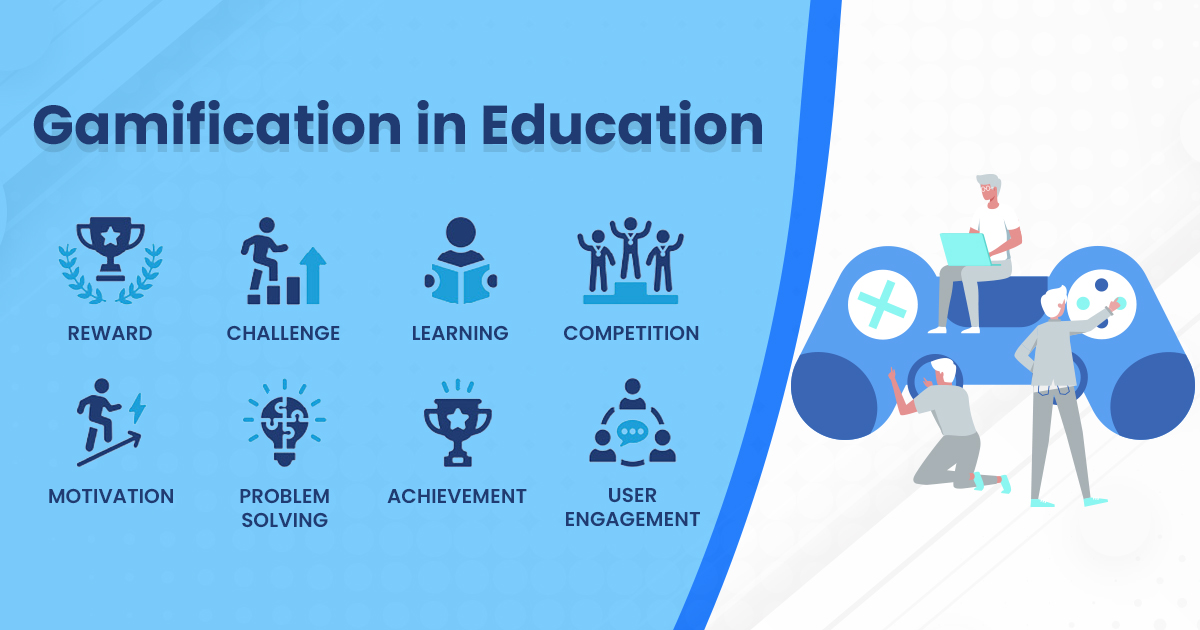
To understand this change, we must first explain the basic idea. These outcomes are the actual skills that students gain through game mechanics. Specifically, the system uses points, leaderboards, and badges. These tools work well even outside of video games. Students do not just play games all day. Instead, teachers turn the lessons into fun challenges.
This method works because it builds a student’s inner drive. Traditional grades can often feel like a harsh judgment. In contrast, gamified systems treat failure as a chance to start again. Students can keep practicing until they succeed. In the past, students feared making mistakes. Now, a growth mindset has replaced that fear.
Why Gamified Learning Outcomes Boost Student Success
This shift creates clear results that scientists can measure. Modern research shows that game-based learning improves memory by 40%. This occurs because students take part in active learning. They stay busy and focused throughout the entire lesson. Most importantly, students take full responsibility for their own progress.
Key Benefits of Gamified Education Tools
Higher Engagement: These tools boost interaction by 100% compared to old ways.
Fast Feedback: Students see their results in real-time. This allows them to fix mistakes immediately.
Teamwork: Leaderboards and missions help build a strong community.
Your Own Pace: AI tools let students learn at a speed that fits them.
Games also help students reach a state of deep focus. Students enter a “flow” because they are fully involved in the task. In this state, a student gives all their attention to the work. For instance, solving math problems becomes an exciting quest. Students stay on track because their goals are very clear.
The Evolution of Game-Based Learning Trends in 2026
As we move through 2026, the tech behind gamified learning outcomes is growing. We are moving far beyond simple points. Today, the focus is on emotional design and great stories.
1. AI-Powered Adaptive Challenges
Modern platforms use AI to change the difficulty instantly. If a student struggles, the system gives them an easy task to build confidence. However, if they are doing great, the game adds a “boss battle” to keep it hard. This ensures that no student feels bored or left behind.
2. Immersive Storytelling
Students no longer just answer questions. Instead, they take on roles like “Scientist” or “Explorer.” Framing a lesson inside a story makes the learning feel important. As a result, students do more than just memorize facts. They feel like they are saving a digital world.
3. VR and AR Integration
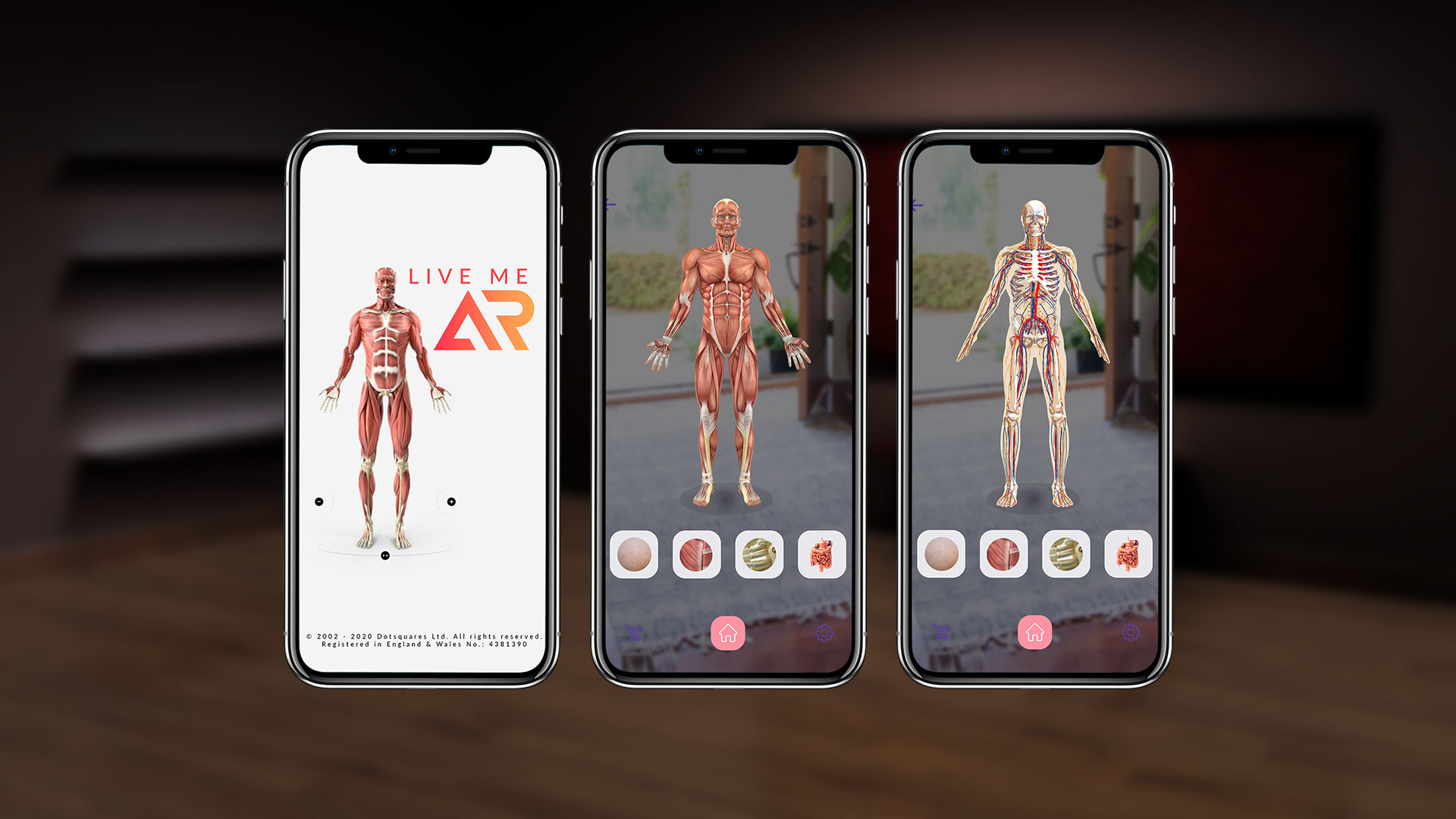
Augmented Reality (AR) brings these games into the real classroom. Imagine using a tablet to find digital gold in the schoolyard during a history lesson. This hands-on style makes big ideas very clear. Because of this tech, history feels alive and real.
Improving Knowledge Retention Through Dynamic Content
A big hurdle in school is the “forgetting curve.” Students often forget facts right after a test. However, game-based learning stops this through play.
To get a high score, students must play a level many times. This repetition makes the brain stronger. Furthermore, the emotional bond with the game helps the memory last longer. The brain saves the data because it links it to a happy experience. The student can then explain the “how” and “why” of what they learned.
Does This Work for All Subjects?
Many people ask if this only works for science. The answer is no. It works for almost everything:
Languages: Apps use “streaks” to keep students practicing every day.
Soft Skills: Games can teach kids how to lead and show empathy.
Arts: Quests let students explore history as if they were actually there.
The Future of the Gamified Classroom
The market for these tools is growing very fast. This growth happens because we need flexible ways to learn. Also, teachers are no longer the only source of info. Instead, they act as “Game Masters” who guide the journey.
Our goal for the future is to create lessons that truly captivate students. We want kids to wake up excited to “log in” to school. By mixing progress with fun, we will see better results. Every child can win at the game of learning.
Final Thoughts on Gamified Learning
In conclusion, gamified learning outcomes are a permanent part of modern education. They are proven to increase joy and focus. Turning lessons into hands-on tasks helps students build skills for their future jobs.
The classroom of the future is not a silent place for lectures. It is an active space where students are the main characters. If you have not tried these tools yet, now is the perfect time to start.
How Experts at Inventive Studio Can Help:
At Inventive Studio, we specialize in designing and implementing gamified learning solutions that elevate the educational experience. Besides, our team of experienced educators and game designers collaborates closely with clients to develop customized gamification strategies tailored to their specific needs and objectives. So, let us partner with you to unlock the transformative potential of gamification in education and propel your students toward academic success and personal growth.