The Shift from Viewing Products to Experiencing Them
Customer expectations have changed significantly over the past decade.
Whether purchasing a car, exploring a property, evaluating industrial equipment, or shopping online, customers increasingly expect more information before making a decision. Traditional product images, brochures, and videos still play an important role, but many businesses are discovering that these formats alone may not always provide the level of engagement and understanding modern customers seek.
This is where Interactive 3D Product Visualization is gaining momentum.
By allowing users to explore products from multiple angles, interact with features, and view items in greater detail, businesses can create more engaging and informative experiences that help customers make confident decisions.
As digital experiences continue to evolve, interactive 3D visualization is becoming an increasingly valuable tool across industries.
What Is Interactive 3D Product Visualization?
Interactive 3D Product Visualization enables users to view and interact with a digital representation of a product in real time.
Unlike static images or pre-recorded videos, users can:
- Rotate products
- Zoom in on specific details
- Explore different configurations
- View products from multiple perspectives
- Interact with product features
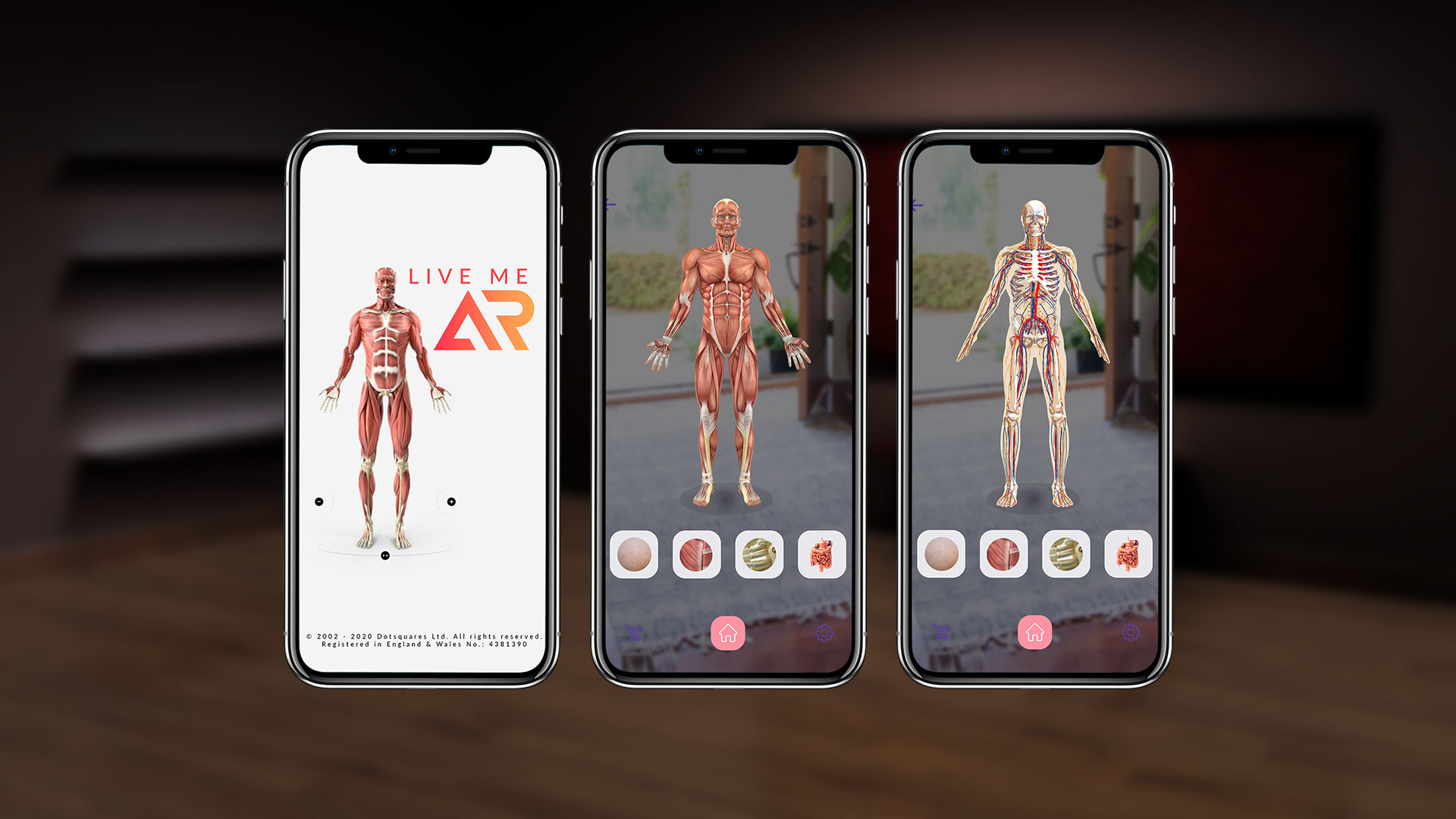
These experiences can be delivered through websites, mobile applications, virtual showrooms, AR/VR environments, and WebGL-powered browser experiences.
The goal is simple: provide customers with a better understanding of a product before they make a purchasing or investment decision.
Why Traditional Product Presentation Has Limitations
Businesses have relied on product photography, brochures, and videos for many years.
While these formats remain effective for showcasing products, they often present information from a limited number of viewpoints.
For products that are highly customizable, technically complex, or visually detailed, customers may struggle to fully understand features, dimensions, materials, or configurations.
This challenge is particularly common in industries such as:
- Manufacturing
- Automotive
- Real Estate
- Furniture
- Consumer Electronics
- Industrial Equipment
Interactive 3D visualization helps address this gap by providing a more immersive and exploratory experience.
Improving Customer Engagement Through Interactive Experiences
One of the primary reasons businesses are investing in 3D Product Visualization Solutions is customer engagement.
Interactive experiences encourage users to spend more time exploring products compared to simply viewing static images.
When customers can interact with products directly, they gain greater control over how they consume information.
This can help businesses:
- Showcase product details more effectively
- Highlight unique features
- Demonstrate product functionality
- Create memorable digital experiences
While engagement does not guarantee sales, it can play an important role in helping customers better understand products and offerings.
Supporting More Informed Purchase Decisions
Customers often conduct extensive research before making significant purchases.
Interactive product visualization can support this process by helping users explore products in greater detail before speaking with a sales representative or making a purchase decision.
For example:
- A furniture buyer can examine materials and finishes.
- An automotive customer can configure vehicle options.
- A manufacturing client can review equipment specifications.
- A property buyer can explore layouts and design features.
Providing access to richer product information can help reduce uncertainty and improve customer confidence throughout the decision-making process.
The Growing Role of Interactive 3D Visualization in E-Commerce
The eCommerce industry has seen significant growth in recent years, creating new opportunities and challenges for businesses.
One of the biggest challenges remains helping online shoppers understand products without physically interacting with them.
Interactive 3D product visualization can help bridge this gap by offering:
- Detailed product exploration
- Product configuration options
- Enhanced visual representation
- Improved product understanding
For online retailers, this creates opportunities to provide experiences that more closely resemble in-store product evaluation.
Industry Applications of 3D Product Visualization
Manufacturing
Manufacturers often sell highly technical products that require detailed explanations.
Interactive 3D models can help customers, distributors, and stakeholders better understand product features, components, and configurations.
Automotive
The automotive industry has widely adopted product configurators and 3D visualization tools.
Customers can explore vehicles, compare features, and customize options before visiting a dealership.
Real Estate
Property developers use interactive 3D experiences to showcase developments, interior designs, and floor plans.
These visualizations help potential buyers better understand spaces before construction is completed.
Furniture and Home Décor
Furniture brands are increasingly using 3D visualization to showcase product designs, materials, and customization options.
Customers can view products from different angles and explore available variations before purchasing.
Industrial Equipment
Complex machinery and industrial systems often require detailed demonstrations.
Interactive 3D visualization helps communicate technical information more effectively than static documentation alone.
The Role of WebGL and Browser-Based 3D Experiences
One of the factors driving the adoption of interactive product visualization is the advancement of technologies such as WebGL.
WebGL enables businesses to deliver real-time 3D experiences directly within web browsers without requiring users to install additional software.
Benefits include:
- Greater accessibility
- Cross-platform compatibility
- Simplified user experiences
- Faster deployment of interactive content
This has made interactive 3D experiences more practical for businesses seeking to reach customers across multiple devices and platforms.
Key Considerations for Businesses
Before implementing a 3D visualization strategy, businesses should evaluate:
- Product complexity
- Customer needs
- User experience goals
- Technical requirements
- Integration with existing digital platforms
Not every product requires interactive visualization. However, businesses selling visually detailed, configurable, or technically complex products may find significant value in offering more interactive experiences.
Final Thoughts
As customer expectations continue to evolve, businesses are looking for new ways to communicate product value and improve digital engagement.
Interactive 3D Product Visualization is helping organizations move beyond static content by providing customers with more detailed, informative, and engaging product experiences.
From manufacturing and automotive to real estate and eCommerce, organizations are increasingly adopting interactive visualization technologies to help customers explore products with greater confidence.
The goal is not to replace traditional product content but to enhance it.
By combining product information with interactive experiences, businesses can create digital environments that support better understanding, stronger engagement, and more informed decision-making.