The gaming industry stands at a pivotal crossroads in 2026. With global revenues projected to surpass $205 billion and over 3 billion active players worldwide, gaming has firmly established itself as the world’s dominant entertainment medium—larger than film and music combined. But beyond the impressive numbers lies a more compelling story: the fundamental shifts in how games are built, distributed, and experienced.
For businesses considering game development, understanding these trends isn’t optional—it’s essential. Whether you’re planning a mobile game, an enterprise training simulation, or an immersive AR experience, the decisions you make today will determine your project’s success tomorrow.
In this comprehensive guide, we explore the key gaming industry trends shaping 2026 and, more importantly, what they mean for your next project.
AI-Powered Game Development: Beyond the Hype
Artificial intelligence has moved from experimental novelty to production reality. Approximately 50% of game studios are now actively using or evaluating AI tools, with one in three developers incorporating generative AI into their daily workflows.
But the real transformation isn’t about replacing human creativity—it’s about amplifying it. AI now accelerates several critical development phases:
Procedural Content Generation: AI algorithms create environments, textures, and level variations at scale, reducing months of manual work to days.
Adaptive Gameplay Systems: Games now adjust difficulty, pacing, and narrative paths based on individual player behaviour, creating personalised experiences that boost retention.
Intelligent NPCs: Non-player characters exhibit more realistic behaviours and contextual responses, enhancing immersion without exponentially increasing development costs.
QA Automation: AI-driven testing catches bugs and balance issues faster than traditional methods, shortening development cycles.
What This Means for Your Project: AI integration can significantly reduce development timelines and costs whilst increasing replay value. However, it requires expertise in implementation—choosing the right AI tools and integrating them effectively into your development pipeline is crucial.
Cross-Platform Gaming: The New Standard
Cross-platform play is no longer a feature—it’s an expectation. The success of titles like Genshin Impact (which has generated over $4 billion in mobile revenue alone) has proven that players demand seamless experiences across devices.
The modern development mindset has shifted to “build once, play anywhere.” This approach offers substantial business advantages:
Expanded Addressable Market: A single title can reach mobile, console, and PC players simultaneously, dramatically increasing potential revenue.
Unified Player Progression: Players expect one account, one progression system, and the ability to connect with friends regardless of platform.
Longer Player Lifecycle: When players can continue their session on any device, engagement naturally increases.
Games that restrict players to single devices now feel outdated, even with solid gameplay. For developers, this means planning for cross-platform from the outset—not as an afterthought. Engines like Unity and Unreal have matured significantly in their cross-platform deployment capabilities, making this approach more accessible than ever.
Cloud Gaming: Removing the Hardware Barrier
Cloud gaming is projected to grow by over 1,200% between 2025 and 2030, reaching $18.3 billion in market value. This isn’t incremental growth—it’s a fundamental shift in how games reach players.
The implications are profound. High-quality titles can now stream to mobile devices, older laptops, and smart TVs without requiring expensive gaming hardware. For the global market—particularly emerging economies—this removes the primary barrier to premium gaming experiences.
This shift enables subscription-led revenue models similar to Xbox Game Pass and PlayStation Plus Extra. For developers, this means considering streaming optimisation during development, not just download performance.
What This Means for Your Project: Cloud-first development strategies can significantly expand your audience reach. Consider latency-tolerant design patterns and optimise for streaming delivery from the project’s inception.
AR/VR: From Experimentation to Commercial Reality
Virtual and augmented reality have finally crossed the threshold from novelty to viable commercial platform. The Meta Quest 3 now commands nearly 75% of the VR headset market, signalling that immersive gaming is scaling rapidly.
The focus has shifted dramatically from loud hype to practical considerations: comfort for extended sessions, usability for mainstream audiences, and clear purpose beyond visual spectacle. This maturation opens doors for serious applications:
Enterprise Training: VR simulations for healthcare, aviation, and industrial training offer safe, repeatable learning environments.
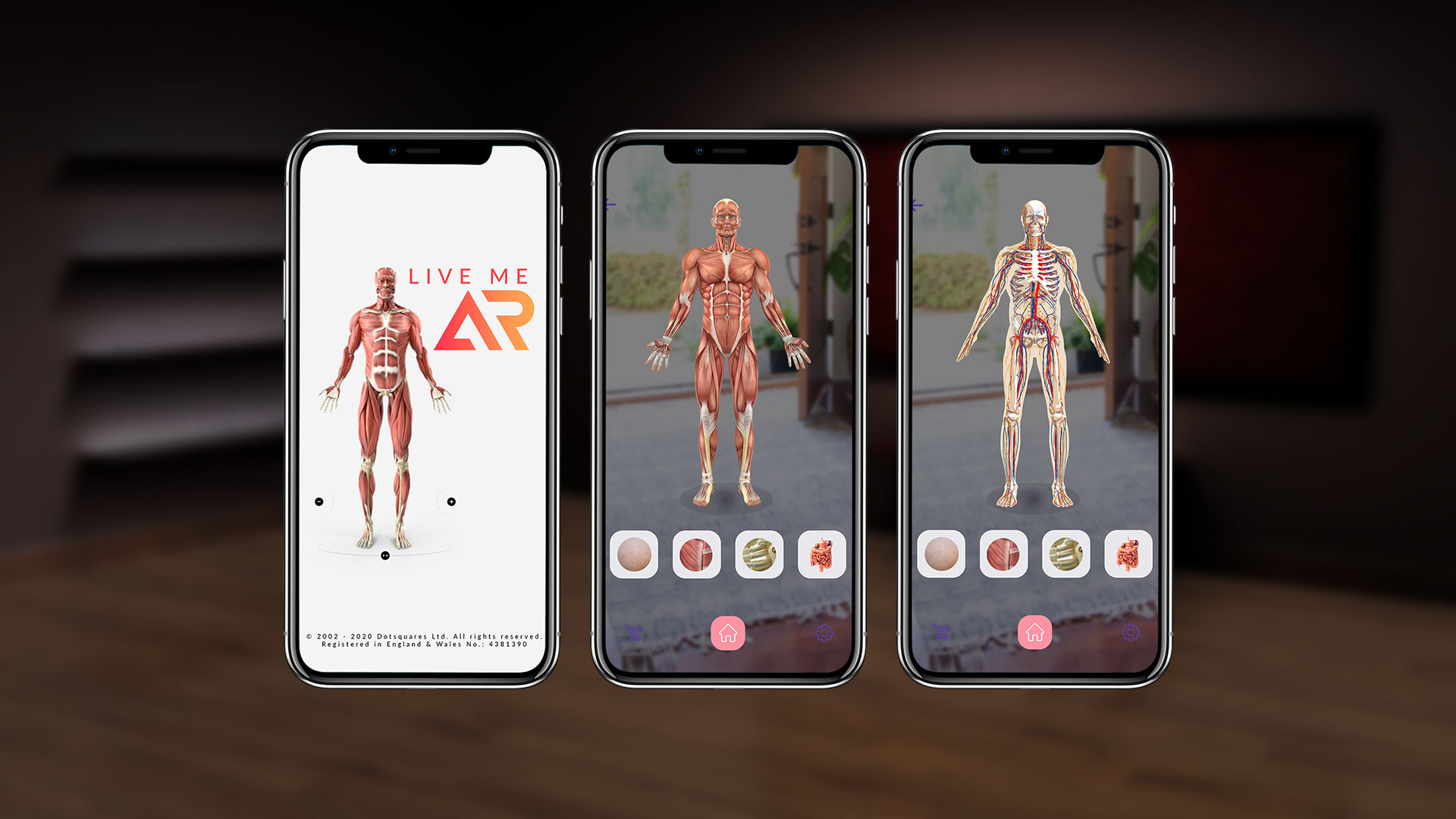
AR Product Visualisation: Retail and real estate sectors increasingly use AR for virtual try-ons and property walkthroughs.
Location-Based Experiences: Escape rooms, theme parks, and entertainment venues leverage immersive tech for premium experiences.
Social VR Platforms: Virtual spaces for real-time events, interaction, and commerce are gaining traction.
AR in particular is finding practical applications that blend gameplay into real environments. From installation guides to interactive marketing experiences, augmented reality development is becoming a core competency for forward-thinking studios.
User-Generated Content: The Engagement Multiplier
2026 marks a pivotal year for UGC in gaming. Following the sustained success of Fortnite, Roblox, and Minecraft, more titles are introducing creator tools with revenue-sharing components.
The business logic is compelling: UGC extends content lifecycles indefinitely whilst transferring creation costs to the community. Players become invested not just as consumers but as creators, dramatically increasing engagement and retention.
Even established franchises are adapting. Genshin Impact has introduced UGC modes with monetisation plans, particularly targeting mobile gaming where content longevity directly impacts lifetime value.
What This Means for Your Project: Consider building creator tools and content pipelines into your roadmap. Games designed with UGC architecture from the start can achieve significantly longer revenue tails than traditional single-delivery titles.
Mobile Gaming: Evolution, Not Revolution
Mobile gaming remains the largest segment, generating approximately $92 billion in 2024—nearly half of total gaming revenue. However, the landscape is evolving in important ways.
Player demographics are shifting. Women now account for over 40% of players in Asia and MENA regions. Hybrid casual games—combining accessible gameplay with deeper progression systems—are outperforming traditional casual titles.
User acquisition has become increasingly sophisticated, with neural networks and AI powering targeting strategies that were impossible just two years ago. For developers, this means the quality bar continues to rise—standing out requires both excellent gameplay and intelligent marketing.
The India Opportunity: A Market Worth Watching
While global growth stabilises, certain markets are experiencing explosive expansion. India’s gaming market is growing at 18.3% annually—one of the fastest rates globally. Pakistan (21.9%) and Turkey (24.1%) follow closely behind.
Government support is accelerating this trajectory. Prime Minister Modi has publicly encouraged the development of games centred around Indian culture and heritage, creating opportunities for culturally relevant content that resonates with local audiences whilst offering global appeal.
For international businesses, India represents not just a consumer market but a development hub. The country’s talent pool is increasingly contributing to global gaming projects, offering cost-effective expertise without compromising quality.
Live Operations: The Engine of Long-Term Success
The era of “release and move on” is definitively over. Successful games in 2026 aren’t just launched—they’re operated. Dedicated Live Ops teams maintain engagement through continuous content updates, seasonal events, and responsive community management.
Titles like Fortnite, PUBG Mobile, and Candy Crush didn’t just survive post-launch—they thrived because of ongoing content strategies. The takeaway is clear: if you’re not planning for live operations, you’re planning for early churn.
What This Means for Your Project: Budget for post-launch operations from day one. Your development roadmap should extend well beyond initial release, with content calendars, event schedules, and community engagement strategies built into the plan.
Monetisation: Fairness, Transparency, and Trust
Revenue models continue evolving beyond traditional purchases. The dominant approaches in 2026 include:
Free-to-Play with Cosmetics: Games remain free to access, with revenue from skins, battle passes, and cosmetic upgrades.
Subscription Services: Monthly plans like Xbox Game Pass offer large catalogues for recurring revenue, with tiered pricing reflecting value delivered.
Live-Service Economies: Ongoing content updates, events, and virtual goods drive continuous engagement and microtransactions.
Crucially, monetisation success in 2026 is increasingly tied to player trust. Transparent pricing, fair mechanics, and genuine value exchange are no longer optional—they’re competitive requirements.
Ready to Build Your Next Game?
If you’re planning a game development project—whether a mobile title, an immersive AR/VR experience, or a cross-platform gaming application—understanding these trends is just the starting point. Execution is what matters.
At Inventive Studio, we specialise in bringing ambitious gaming projects to life. Our team combines deep expertise in Unity development, Unreal Engine, Mixed Reality applications, and WebGL experiences with a track record of delivering commercially successful titles.
From concept development to post-launch live operations, we partner with businesses to navigate these industry shifts and build games that resonate with modern audiences.
Contact us today to discuss your gaming project and discover how we can help you capitalise on the opportunities 2026 presents.
End Note
The gaming industry in 2026 isn’t just growing—it’s transforming. AI is accelerating development, cross-platform is becoming mandatory, cloud gaming is democratising access, and AR/VR is finally delivering on its commercial promise. For businesses with the vision to act, these shifts represent extraordinary opportunity.
The question isn’t whether to adapt to these trends—it’s how quickly you can position your project to benefit from them. The studios and businesses that move decisively will define the next era of gaming. The rest will be left watching from the sidelines.